Planning a South Asian wedding in the Bay Area can feel like learning two languages at once: the traditions your families care about, and the vendor/venue logistics that make those traditions possible. The good news is that Northern California has one of the largest South Asian communities in the country, which means you can find experienced teams for everything from a baraat to a multi-day catering plan. The tricky part is knowing what to ask early so your timeline (and budget) stays realistic.
This guide breaks down common Indian wedding events and rituals through a Bay Area lens: what they typically require, what tends to surprise venues, and which types of vendors you’ll want to prioritize.
Before you book anything: a Bay Area reality check
Indian weddings often include multiple events (Mehndi, Sangeet/Garba, Ceremony, Reception), and in the Bay Area that usually means multiple venue days, multiple load-ins, and multiple labor calls. If you’re comparing venues, ask for a sample quote that includes every day you’ll be on-site—not just the Saturday reception.
Also, be honest about your guest count early. Bay Area venues that can comfortably host 250–400 guests (with dance floor, stage, and a mandap) are a smaller pool than they look online.
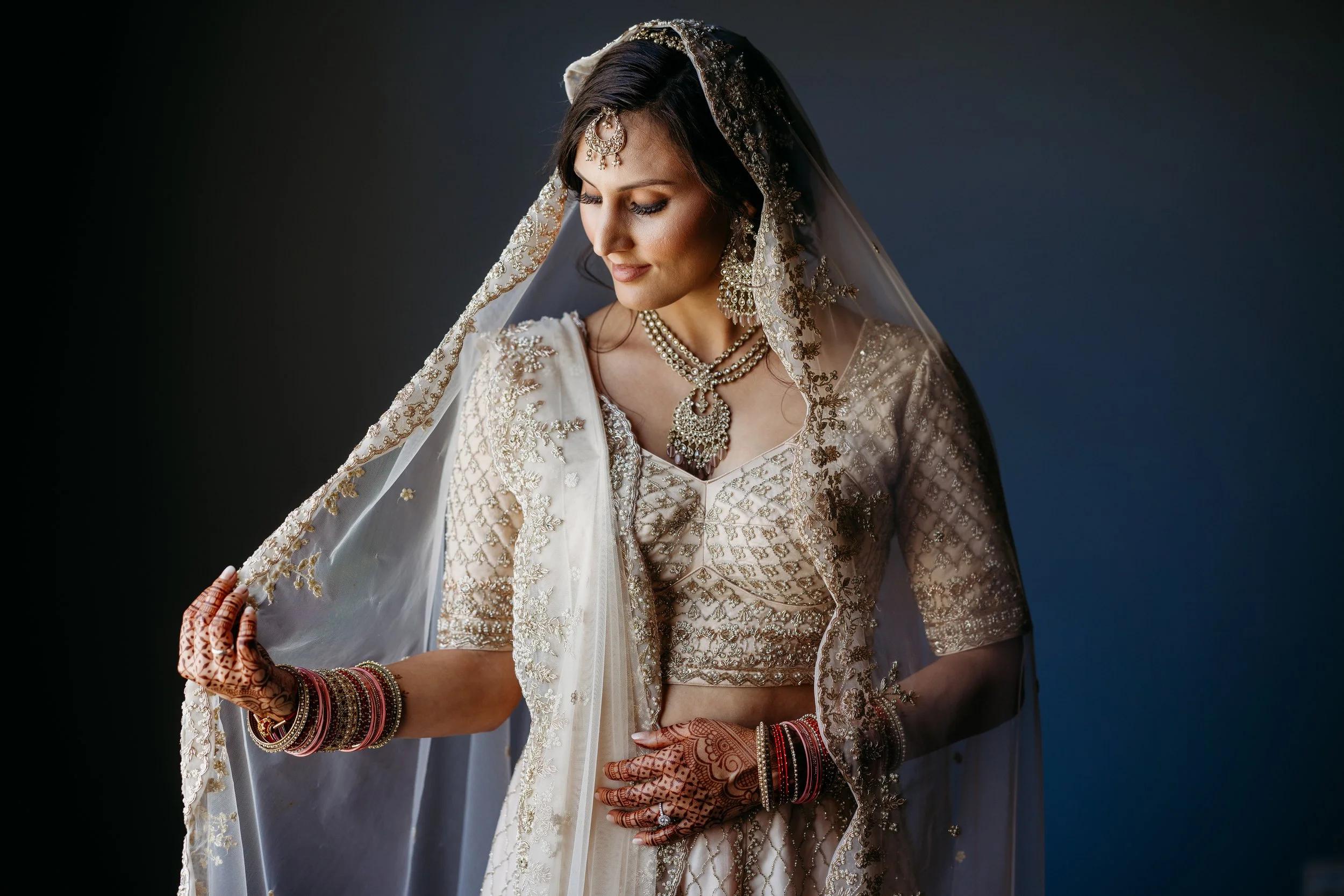
The Mehndi: calm on paper, complex in practice
Mehndi is typically the most relaxed event—but it can still involve:
- A large guest list if both families attend
- Lounge seating and shaded outdoor areas
- Light catering or full dinner service
- Photography coverage (often underestimated)
Bay Area tip: If you’re doing Mehndi at home or an Airbnb, check parking and neighborhood quiet hours. Many Bay Area neighborhoods are sensitive to amplified music and large gatherings.
The Sangeet (or Garba): treat it like a full production night
Sangeet is where timelines go off the rails, because it’s essentially a mini-concert:
- A stage or performance area
- Robust sound (plus microphones for emcees)
- A dance floor that can handle high-energy movement
- Lighting that flatters faces on camera
Bay Area tip: Venues that host corporate events are often better equipped for staging and AV than purely “pretty” spaces. Ask whether the venue has built-in rigging points, preferred AV vendors, and a hard stop time.
The wedding ceremony: mandap, baraat, and the “open flame” question
The mandap and ceremony layout
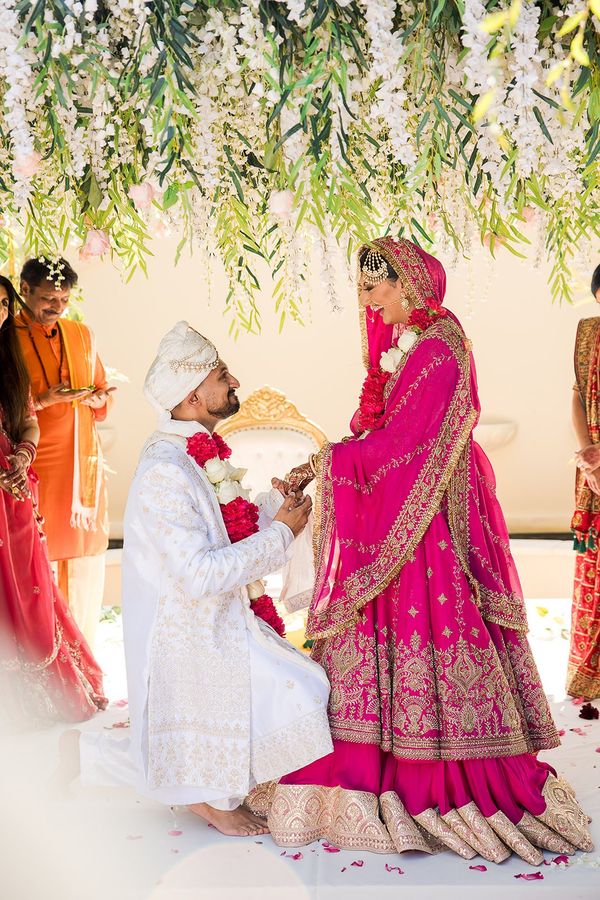
Most venues are used to an aisle-and-arch layout. A mandap changes the room geometry:
- Guests may need sight lines from all sides
- The couple and families sit longer than a Western ceremony
- Photography needs clear angles without blocking elders
If you’re building a mandap, confirm ceiling height, load-in hours, and whether the venue has restrictions on hanging installations.
The baraat
A baraat (groom’s procession) is joyful—and it’s also a logistics event. Even if you’re not using public streets, it can involve:
- A clear route (wide enough for dancing guests)
- Noise considerations (dhol, DJ, or both)
- Safety planning (especially if alcohol is served before the ceremony)
If you plan to use public right-of-way (streets or sidewalks) with amplified sound, you may need city permits depending on the location and route. Build time into your planning to confirm what the venue and city allow.
Horses, vintage cars, and other big entrances
In Northern California, couples sometimes include a decorated horse or carriage for the baraat. If you’re considering this:
- Ask the venue if animals are allowed on-site
- Confirm where the horse arrives, waits, and exits
- Make sure the vendor can provide insurance documentation if required
One Bay Area example is Prince Horse Rental in San Jose, which is commonly used for baraats.
The sacred fire (havan) and venue approvals
Many Hindu ceremonies include a small sacred fire. Some venues treat this as “open flame,” which can trigger additional requirements:
- Fire safety plan and extinguisher placement
- A designated fire watch (venue-specific)
- Using a contained fire bowl or approved setup
Bay Area tip: Ask this question before you sign the contract. “We’ll figure it out later” is how you end up redesigning your ceremony a month out.
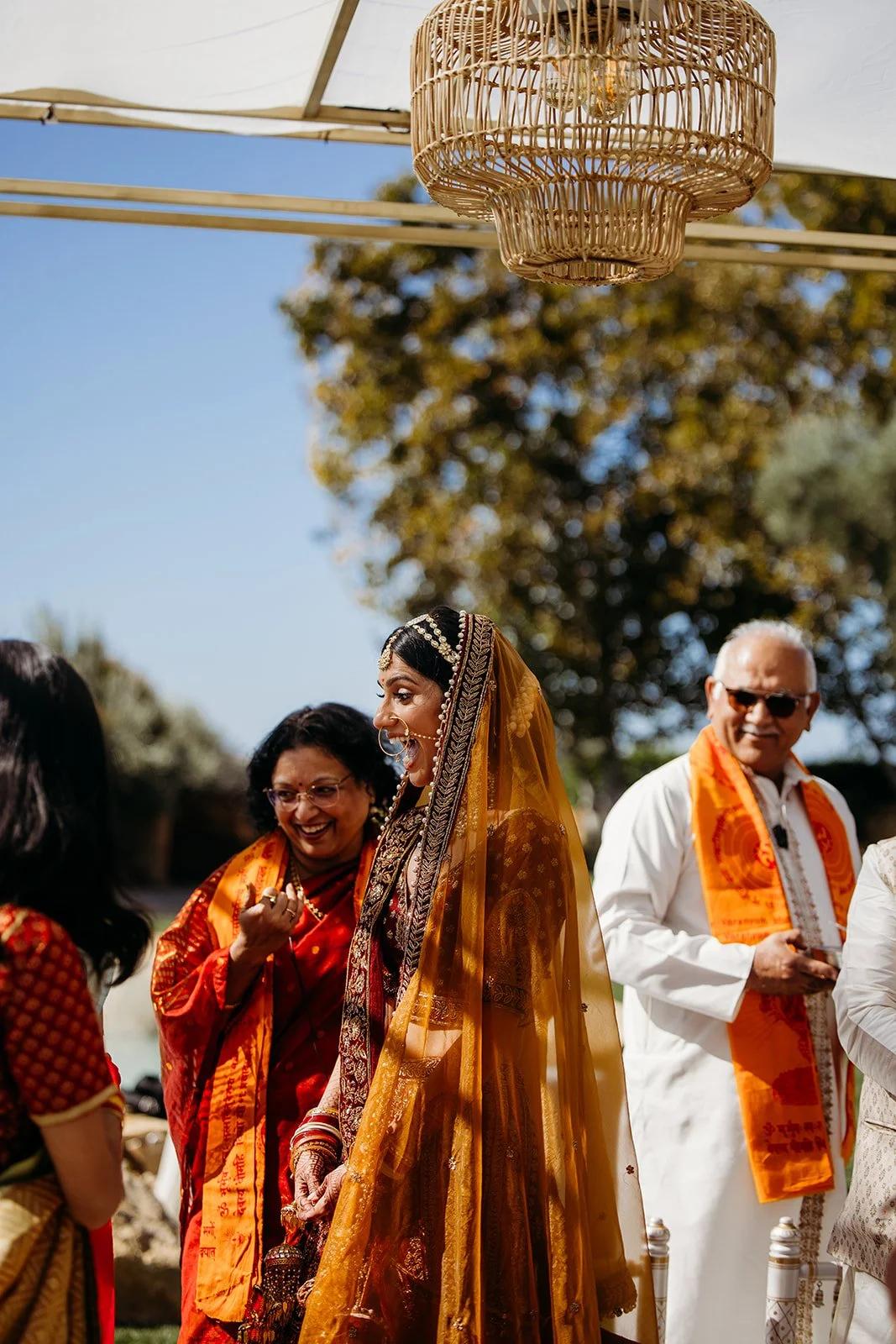
Food: why Indian catering is a major budget driver in the Bay Area
Food is often the heart of the celebration, and it’s also where Bay Area pricing adds up quickly—especially across multiple events.
Here’s a realistic way to think about catering costs:
- Buffet catering for one event can be on the lower end if you’re working with a straightforward menu and service style.
- Full-service, multi-event Indian weddings often layer staffing, rentals, and logistics across several days.
Some vendors advertise per-person starting prices (for example, California Cookout lists Indian catering starting around $18 per person), but your actual all-in cost depends on guest count, service style, rentals, staffing, and how many events you’re feeding.
Bay Area tip: If your venue requires in-house catering, confirm whether they can execute Indian menus at the spice level and variety your families expect. If outside catering is allowed, confirm the kitchen access and any “outside catering” fees.
Hair, makeup, and draping: book artists who know timelines
For Indian weddings, HMUA is rarely just one look. You may have:
- Multiple outfits
- Jewelry changes
- Dupatta or sari draping
- Touch-ups between ceremony and reception
Bay Area tip: Build more buffer time than you think you need. Traffic, parking, and venue access windows can turn a tight schedule into a stressful one.
Photography and video: what to tell your team so they can capture traditions
Your photo/video team can do a better job if they know what matters culturally. Share:
- A rough timeline of key moments (e.g., Jaimala, Kanyadaan, Saat Phere)
- Who the important family members are
- Whether anyone should not be photographed
Bay Area tip: If you’re doing multiple events, consider a team that can maintain consistent coverage across days (rather than different shooters each day).
A short vendor checklist for Bay Area Indian weddings
When you interview vendors, ask these questions early:
- How many South Asian weddings have you worked on in the Bay Area specifically?
- Have you worked at our venue (or a similar venue) before?
- What do you need from the venue for load-in, staging, or ceremony setup?
- Do you carry insurance, and can you provide documentation if required?
- For catering: can you handle multiple events, and how do you staff each day?
Sample Bay Area vendor categories to prioritize
If you’re building your vendor team from scratch, these are the categories that most directly affect feasibility:
- Planner/coordinator with South Asian wedding experience
- Venue(s) with the right capacity and flexible policies
- Catering team (and rental coordination if needed)
- AV/DJ team capable of Sangeet + reception
- Decor team that can build and flip a mandap efficiently
For baraat transportation and entrance ideas, some Northern California vendor lists include companies like Bauer’s Intelligent Transportation (San Francisco) and Avenue Limo (San Francisco), as well as Grand Carriage and Baraat Horses (Livermore).
Final thought: translate traditions into logistics early
The fastest way to reduce stress is to translate each tradition into a practical question:
- “Can the venue support a baraat route without disturbing neighbors?”
- “Do we need an open-flame approval for the ceremony?”
- “How many load-ins does our decor team need across three events?”
When you ask those questions up front, you can keep the celebration authentic without fighting last-minute venue restrictions. And in the Bay Area—where venues book quickly and vendor calendars fill early—that clarity is a real advantage.