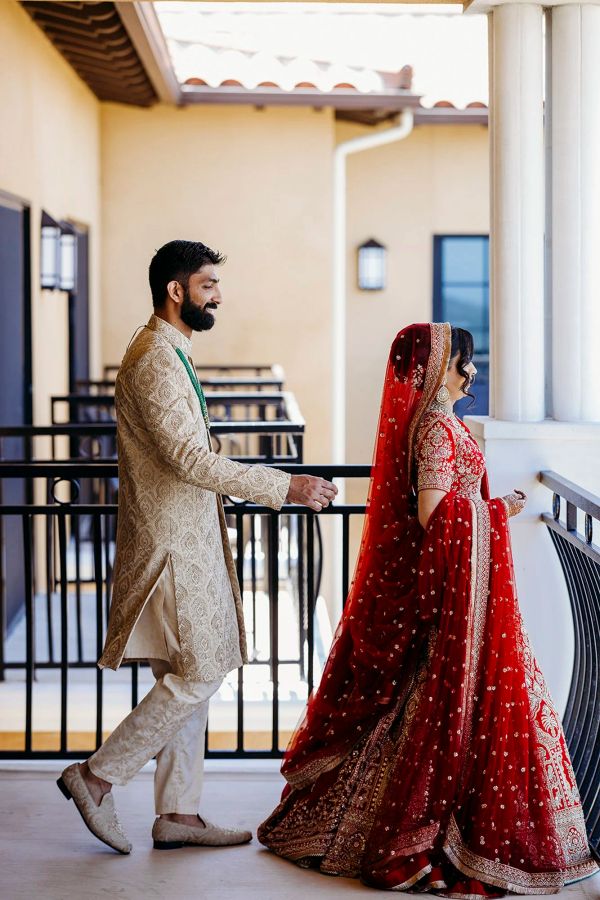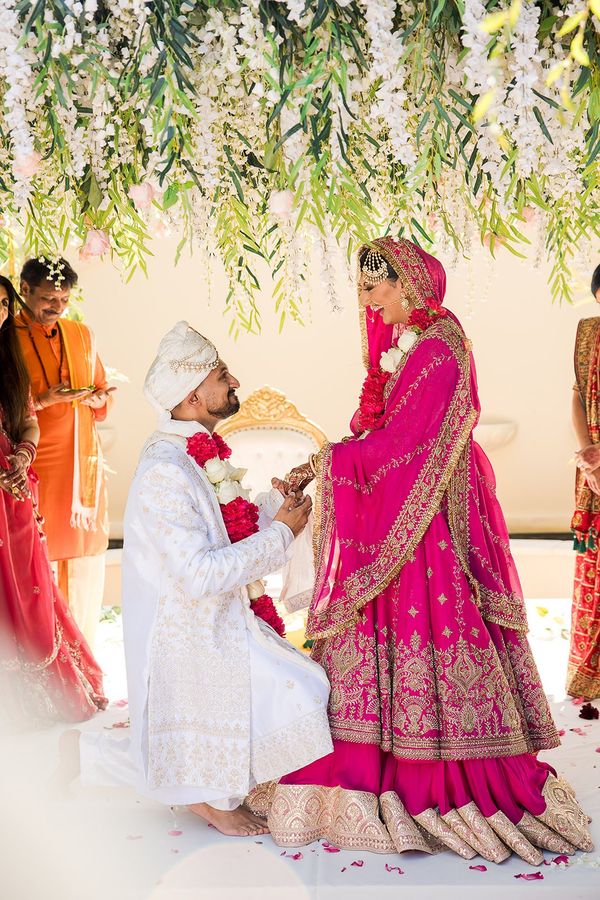
Wedding transportation is one of those line items you only notice when it goes wrong: guests show up late, parking becomes a headache, or your wedding party is scattered across three different rideshares. The good news is that Bay Area couples have options—everything from simple hotel-to-venue shuttles to a single statement car for portraits.
This guide walks through the realistic choices (and tradeoffs) for San Francisco, the Peninsula, the East Bay, and Wine Country weddings, including the cost ranges you should expect in 2026, what to ask in quotes, and how to build a plan that actually works on the day.
Start with the “why”: what transportation solves
Most couples book transportation for one (or more) of these reasons:
- Guest safety and convenience, especially for Napa/Sonoma where driving after dinner is a concern.
- Keeping the schedule on track when you have separate getting-ready locations, photo stops, and a reception.
- Limited venue parking (common in San Francisco, Sausalito, and popular Peninsula venues).
- Making arrivals feel intentional, not chaotic.
If none of these apply—and your venue has ample parking, plenty of on-site lodging, and no tight timeline—transportation may be optional. But for most Bay Area weddings, a small, thoughtful plan saves time and stress.
The core options (and when each makes sense)
1) Guest shuttles (the most “high impact” option)
A guest shuttle is the most practical upgrade you can make for a Bay Area wedding. It reduces parking pressure, helps guests arrive together, and removes the end-of-night rideshare surge problem.
In 2026, shuttle-style vehicles are often quoted in an hourly range of about $60–$100 per hour for basic service, depending on day, season, and distance. Many companies also require a 3–4 hour minimum, so the true baseline is rarely “one quick trip.”
When a shuttle is especially worth it:
- Your ceremony and reception are in separate locations.
- Your venue has limited parking or is in a residential neighborhood.
- You are in Wine Country and want a safer, easier experience for guests.
When you can skip (or simplify) shuttles:
- Your venue is a full-service hotel where most guests are staying on-site.
- Your guest count is small and most people will drive themselves.
2) Charter buses and minibuses (for bigger guest lists)
If your guest list is large, or you want to do fewer trips, you will end up looking at minibuses and full-size coaches. Some Bay Area operators highlight common wedding choices like 18-passenger minibuses and 56-passenger charter buses.
The real benefit here is fewer moving pieces: a larger bus can mean fewer pickup windows, fewer late arrivals, and less time spent managing multiple vehicles.
A practical planning note: vehicle “capacity” numbers are often the maximum under ideal conditions. If you have guests in formalwear, plus bags, plus car seats, build in a little buffer so the bus is comfortable.
3) Limousines (mostly for vibe, not efficiency)
Limousines are usually about the experience: a calmer ride for the couple, a classic “first ride” moment, or transporting family members who want comfort. Typical pricing ranges in the region are often quoted around $75–$150 per hour, with minimum-hour requirements that can quickly push the total higher than expected.
If you love the idea, limos are best used for a specific purpose:
- Couple-only ride from ceremony to reception
- Transporting parents/grandparents
- A short “escape” after the ceremony while guests move to cocktail hour
4) Party buses (fun, but budget accordingly)
Party buses can be a good choice if your wedding party wants a celebratory vibe and you need to keep everyone together. Pricing is frequently in the $200–$300 per hour range, so they tend to be a deliberate splurge.
One good way to sanity-check the value is per-person math: if a larger vehicle replaces multiple smaller rentals or multiple rideshare trips, the cost can be easier to justify.
5) A vintage “statement car” (for portraits and entrances)
A single vintage car is the option that shows up in photos the most. If your transportation plan is otherwise simple—guests drive or you have a shuttle—adding one classic car can bring a lot of visual payoff without managing a fleet.
Bay Area vintage car providers often serve the entire region (including Napa and Sonoma) and may offer hourly, daily, and even multi-day options. Some also include delivery within specific counties (for example, within Santa Clara and Santa Cruz Counties) and coordinate directly with your planner and photographer so timing and staging are smooth.
The best use case is usually:
- One-to-two hour window for portraits and/or a grand entrance
- Build in time for loading/unloading and a few “just us” moments
A realistic 2026 budget range (and what moves the number)
Most transportation quotes are driven by three things:
- The day and season
- How far you are traveling (and how much dead time the vehicle has)
- The total number of service hours (including standby time)
Broadly, many couples end up spending a few hundred dollars to around the low thousands on transportation, depending on what they book and how complex the day is.
Cost ranges you will commonly see referenced:
- Guest shuttles: about $60–$100 per hour
- Limousines: about $75–$150 per hour
- Party buses: about $200–$300 per hour
A few Bay Area-specific realities that can push totals up:
- San Francisco traffic and limited loading zones add buffer time.
- Tolls, mileage, and driver wait time can be a meaningful portion of the quote.
- Peak Saturdays (especially late spring through early fall) book out early.
How to structure transportation so it works on the day
Build around two anchors: pickup window and last departure
For shuttles, the two most important moments are:
- The arrival window: when the first guest should arrive and when the last guest must arrive.
- The final departure: when you want the last shuttle leaving the venue.
If you set these two anchors first, the rest of the plan becomes simpler.
Decide if you want “continuous loops” or “scheduled trips”
- Continuous loops work well for venues within 10–20 minutes of the hotel block. They feel flexible for guests.
- Scheduled trips work better for longer distances (for example, San Francisco to Napa) because each run is expensive in time and mileage.
If you are doing Wine Country, consider a two-hotel strategy
For Napa and Sonoma weddings, a common approach is:
- Encourage most guests to stay in one town (like downtown Napa, Yountville, Sonoma, or Santa Rosa)
- Book shuttles from that area to the venue
This simplifies pickup routing and reduces the “we missed the shuttle because our Airbnb is 25 minutes away” problem.
What to ask for when getting quotes
When you request quotes from transportation companies, ask for the details that determine your true total:
- Minimum hours and what counts as billable time
- Overtime rates and how overtime is billed (by the hour or in increments)
- Mileage, tolls, parking, and driver gratuity expectations
- Vehicle capacity and luggage assumptions
- Backup plan if a vehicle has a mechanical issue
- Whether the company will help you build a routing plan
Also: ask where they are based. A vehicle starting far from your venue can add paid “deadhead” time.
Bay Area logistics tips that save money and stress
Keep locations close when you can
Even moving one event location 10–15 minutes closer can reduce the number of hours you need, especially if the vehicle would otherwise sit idle.
Consider a Friday or Sunday wedding if flexibility exists
Some couples see meaningful savings by choosing Friday or Sunday instead of Saturday—without changing anything else.
Use a shuttle for guests and something special for just the two of you
If you are trying to balance budget and aesthetics, this is often the sweet spot: a straightforward shuttle for guests, plus one car that feels personal for the couple.
A sample transportation plan (that works for many Bay Area weddings)
Here is a common, reliable structure:
- Getting ready: couple and wedding party use rideshare or a single sprinter/van.
- Guest shuttles: two departure times to the venue (an early one and a “main” one).
- Couple arrival: a vintage car or sedan timed for portraits and the entrance.
- Return shuttles: one at the end of dancing, one 30–45 minutes later.
It is not flashy, but it is calm. And calm is the real luxury on a wedding day.
If you want, your next step is to draft a one-page transportation brief for your planner (hotel addresses, venue loading notes, pickup times, and who rides what). That single sheet is what keeps the day moving.