Most couples book “8 hours” of wedding photography because it sounds like the standard middle option: not the tiny elopement package, not the all-day documentary marathon.
But “8 hours” isn’t a magic number. In the Bay Area, it can either feel perfectly paced or like you’re constantly watching the clock (especially if you’re dealing with traffic, split locations, or a venue with strict end times).
This guide breaks down what an 8-hour wedding photography package typically includes, where couples accidentally waste coverage time, and how to build a timeline that gets you the images you actually care about.
The Bay Area reality: 8 hours is a timeline, not a promise
When photographers describe an 8-hour package, they usually mean eight continuous hours with one lead photographer, plus an edited online gallery delivered later.
Many Bay Area photographers also bundle in a planning call or timeline help, and most include print rights and an online gallery.
Typical deliverables you’ll see advertised:
- A private online gallery with download access
- A print release (permission to print and share personal-use images)
- A curated set of hundreds of edited photos
Some photographers publish more specific ranges (for example, 75–100 edited photos per hour, or 700–800+ photos for 8 hours). Your exact number will depend on your day, lighting, guest count, and how “photo-heavy” your timeline is.
What 8 hours usually covers (if your day is in one main area)
If you’re getting ready, getting married, and partying within the same general location (or you’ve built in travel buffers), an 8-hour package can cover:
1) Getting ready + details (about 60–90 minutes)
This is when photographers typically capture:
- Dress, shoes, rings, invitation suite, vow books
- Makeup finishing touches, buttoning a dress, tie/cufflink moments
- A few “calm before the storm” portraits near a window
If you’re in a small hotel room with a lot of people, this part can get chaotic fast. If you want it to look clean and editorial, plan for fewer bodies in the room (or book a larger suite).
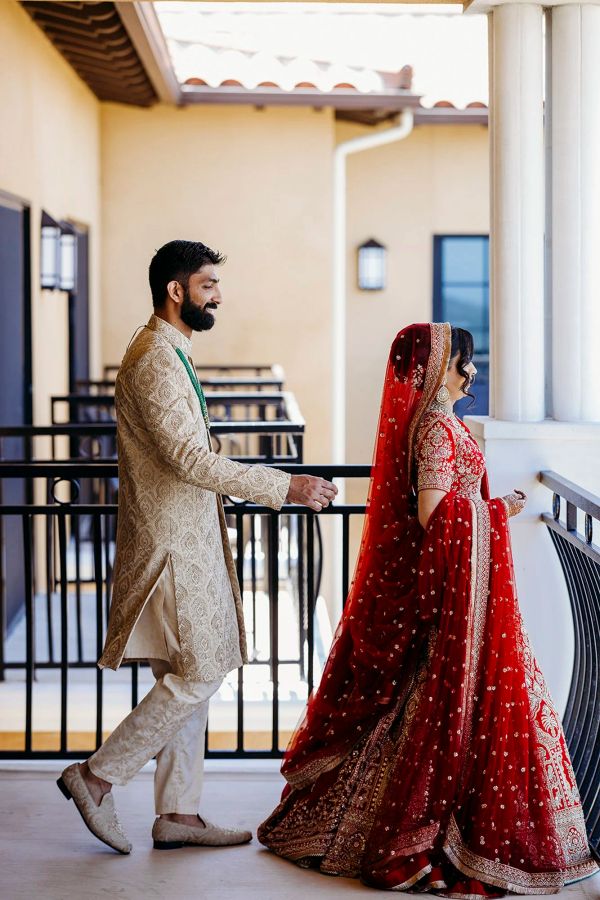
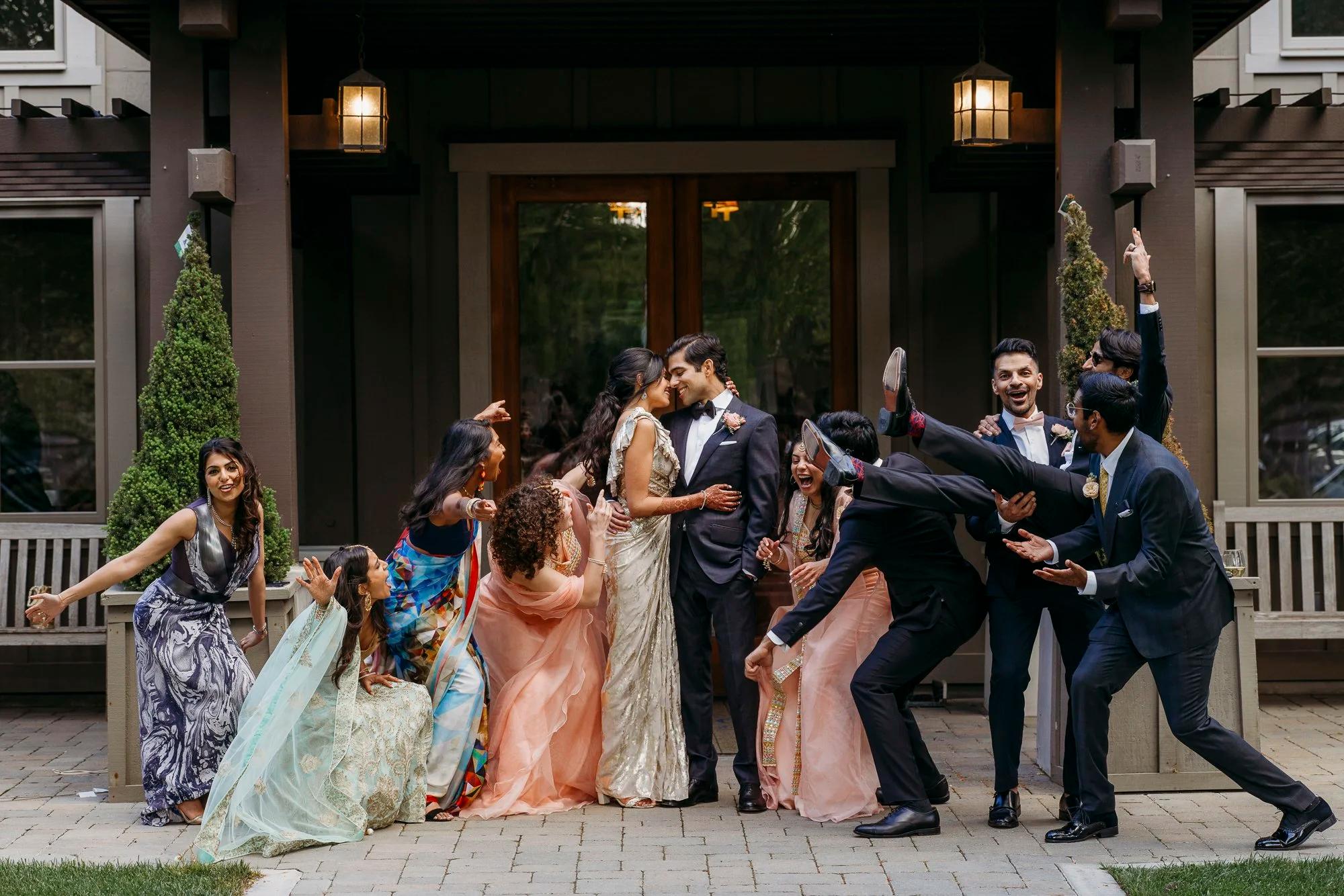
2) First look + couple portraits (about 30–60 minutes)
A first look isn’t required, but in the Bay Area it’s often the difference between relaxed portraits in good light and squeezing everything into a 12-minute window while guests head to cocktail hour.
If you’re skipping a first look, you can still do portraits after the ceremony, but you’ll need to accept one tradeoff: you’ll either shorten cocktail hour coverage, or you’ll shorten your portrait time.
3) Wedding party + immediate family (about 30–45 minutes)
This is the part that most often runs long.
If you want family photos to be painless, do two things:
- Make a list of groupings (and keep it realistic)
- Assign a “family wrangler” who knows everyone by face and can pull people quickly
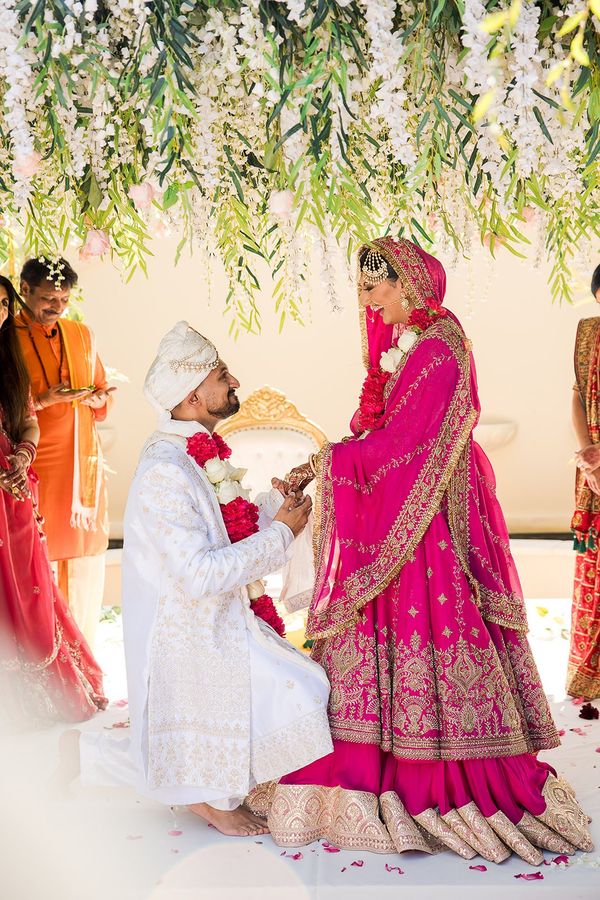
4) Ceremony (about 30–60 minutes)
Ceremony coverage usually includes:
- Guests arriving and being seated
- Processional
- Key reactions, vows, ring exchange, first kiss
- Recessional + hugs right after
If your ceremony venue has strict rules (no aisle access, no flash, no movement), your photographer can still do great work, but you’ll want to know ahead of time so you can manage expectations.
5) Cocktail hour (about 45–60 minutes)
This is where photographers typically capture:
- Candid guest interactions
- Drinks + food moments
- Any remaining family photos (if needed)
- Reception details before guests enter (tables, florals, place settings)
If you’re doing a room “reveal,” tell your photographer, because it changes when they’ll want to photograph the space.
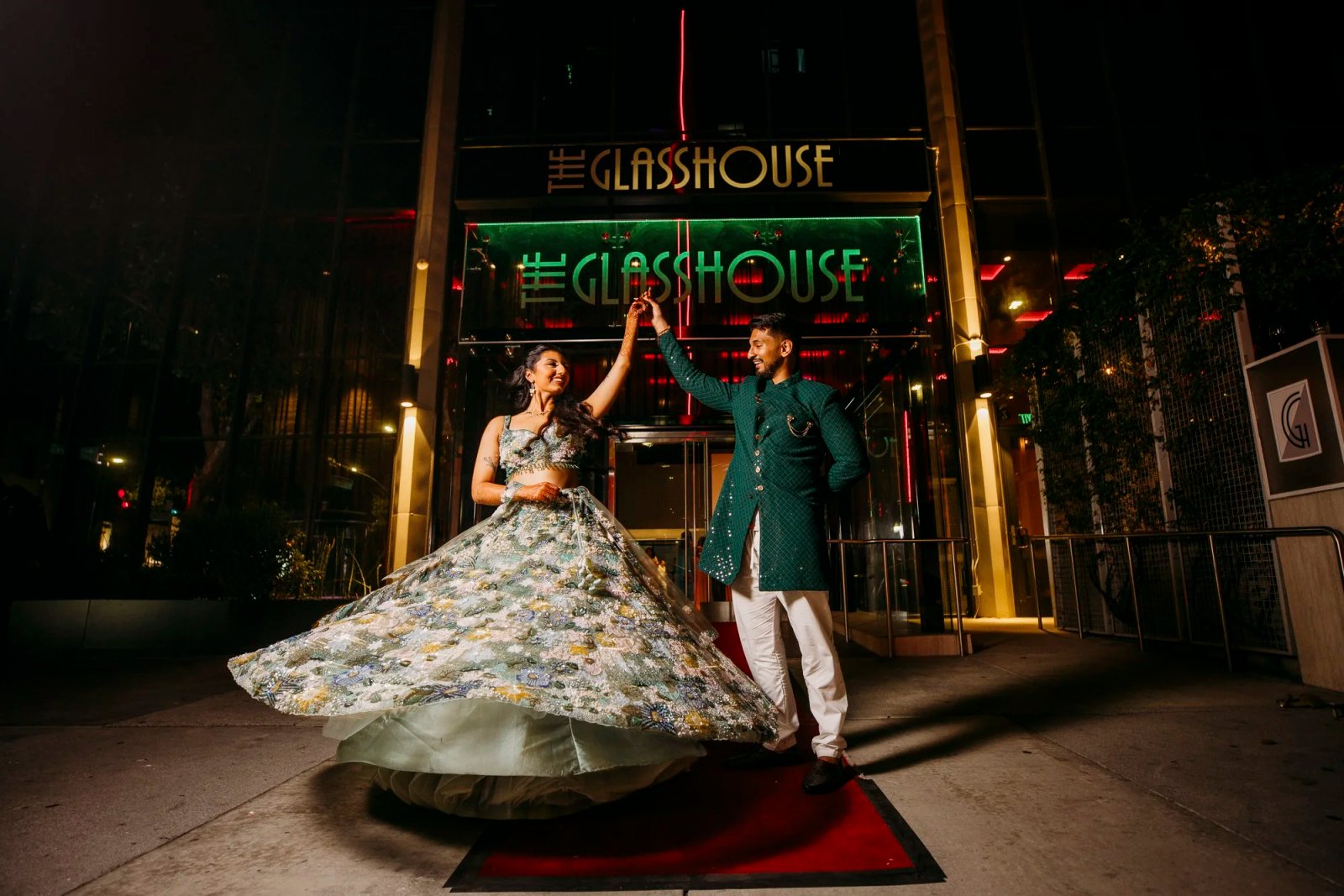
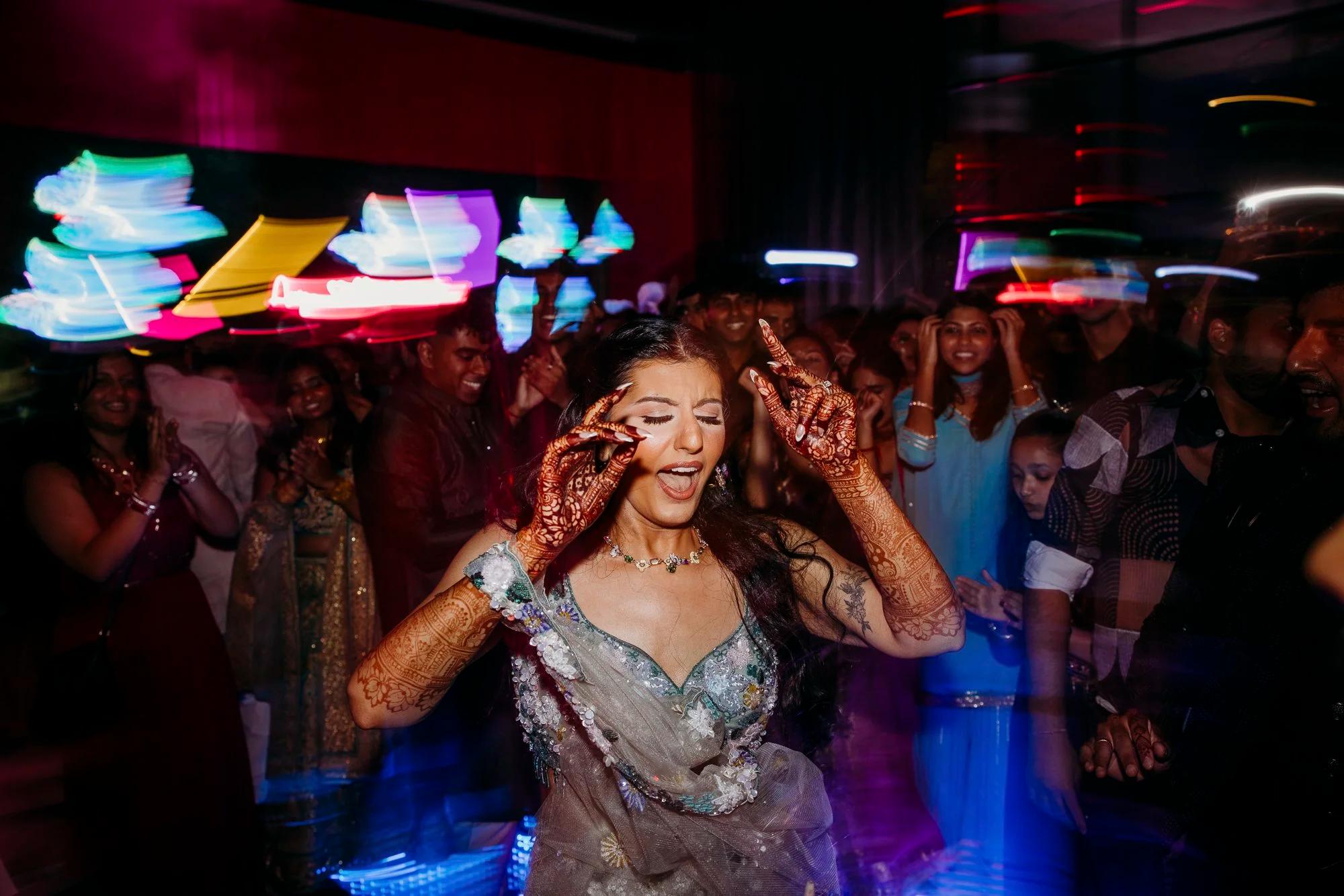
6) Reception through the dance floor (about 3–4 hours)
An 8-hour package often covers the “big beats” of the reception:
- Entrances
- First dance
- Toasts
- Dinner (usually minimal coverage)
- Parent dances
- Open dancing
If you want a big exit photo (sparklers, confetti, vintage car), an 8-hour package may or may not reach it, depending on your start time.
A realistic sample 8-hour Bay Area timeline
Here’s a common structure that works well when everything is reasonably close:
- 1:30 PM — Photographer arrives (details + getting ready)
- 3:00 PM — First look + couple portraits
- 3:45 PM — Wedding party + immediate family
- 5:00 PM — Ceremony
- 5:30 PM — Cocktail hour + reception details
- 6:30 PM — Grand entrance + dinner
- 7:30 PM — Toasts + first dances
- 8:00–9:30 PM — Open dancing
- 9:30 PM — Coverage ends
If your ceremony starts later (common in San Francisco), you can shift this later, but you’ll likely lose either getting-ready time or late-night coverage.
What might not fit into 8 hours (and surprises couples)
An 8-hour package is usually enough for one main story arc. Things that can push it over the edge:
Multiple getting-ready locations
If you’re getting ready in two different cities (say, SF and Palo Alto), you’re burning coverage time and adding traffic risk.
Options:
- Have both partners get ready in the same hotel (even if in separate rooms)
- Add a second photographer
- Reduce getting-ready coverage and start later
Long Bay Area travel windows
A 20-mile drive can be 25 minutes at noon and 75 minutes at 4:30 PM.
If your day includes SF to Marin, Oakland to Napa, or the Peninsula to Half Moon Bay, build in buffers. Otherwise, the “lost time” comes straight out of portraits or reception coverage.
Golden hour portraits (worth it, but plan it)
Golden hour in coastal areas can be foggy or disappear behind hills earlier than you expect.
If you want those portraits, plan a 10–15 minute pocket and let your planner (or DJ) know you’ll be stepping out briefly.
A formal exit
Sparkler exits and staged departures can be stunning, but they often require a coordinated crowd, venue approval, and extra setup time.
If a big exit matters to you, consider adding an hour (or starting coverage later).
Second shooter vs one photographer: how to decide
In the Bay Area, a second photographer isn’t just about “more photos.” It can solve logistical problems.
Consider adding a second shooter if:
- You’re getting ready in two locations
- Your guest count is large and you care about candids
- Your ceremony has strict movement restrictions
- You want both partner reactions during key moments
If your wedding is under about 100 guests and mostly in one place, one strong lead photographer is often enough.
What an 8-hour package typically costs in the Bay Area (2026 context)
Prices vary wildly by style, experience, and brand, but 8-hour wedding coverage around $4,000 is commonly advertised by Bay Area studios for a single-lead package.
You’ll also see 8-hour packages around $4,400 from some Bay Area photographers, sometimes with add-ons like a second shooter or longer coverage available.
At the lower end, newer photographers or smaller studios may offer 8 hours closer to the $2,900 range, while high-demand artists can be significantly higher.
The real takeaway: when you compare packages, compare what’s included (coverage, shooters, turnaround time, album credit, engagement session) rather than just the hour count.
Smart questions to ask before you sign
Use these questions to avoid “package regret” later:
- Is the 8 hours continuous, and can we split it?
- What happens if we run late—overtime rate, and is it billed in 15/30/60-minute increments?
- Do you help build our photo timeline?
- How many photos do you typically deliver for an 8-hour day?
- What is your turnaround time and do we get a sneak peek?
- Do you bring backup gear, and do you have insurance if the venue requires it?
How to make 8 hours feel like “enough”
If you want an 8-hour package to feel generous instead of tight:
- Start later if getting ready isn’t a priority for you.
- Keep locations tight (or accept that travel replaces photo time).
- Cut the photo list to the images that matter most.
- Assign helpers (family wrangler, detail gatherer, timeline point person).
- Plan your must-have portraits when everyone is still fresh.
8 hours can be an ideal middle ground in the Bay Area—you just want to spend those hours on moments, not logistics.
Note: every photographer’s packages and deliverables are different. Always confirm current coverage terms, turnaround time, and venue rules with your photographer and your venues’ events teams.