If you grew up Filipino (or you’re marrying into a Filipino family), you already know the headline: weddings are not just about two people. They are about family, faith, food, and a whole community showing up.
Planning a Filipino wedding in the Bay Area adds a few extra layers: Catholic ceremony logistics, big guest counts, high venue costs, and a vendor mix that needs to understand both tradition and modern pacing.
This guide walks through the core Filipino wedding traditions you may want to include, plus practical Bay Area planning tips (venues, catering, timelines, and guest experience) so your day feels meaningful and runs smoothly.
Start with the two big planning questions
Before you book anything, get aligned on these two decisions. They shape your entire vendor list and budget.
1) Church wedding, civil wedding, or both?
Many Filipino weddings are Catholic ceremonies with a separate reception. If you’re doing a church ceremony, ask early about:
- Required pre-Cana classes and paperwork timeline
- Whether the church allows unity rituals (veil, cord, coins, candle)
- Music guidelines and any restrictions on photographers/videographers in the sanctuary
If you’re doing a civil ceremony, you can still include Filipino unity rituals. You’ll just want an officiant who can explain them clearly for non-Filipino guests.
2) How big is “big”?
Filipino families tend to mean real guest counts (not the aspirational kind). A practical Bay Area planning move is to set a clear guest target and a hard cap.
If your guest list is likely 150–250+, prioritize venues with:
- Easy parking and shuttle-friendly access
- Flexible catering load-in (especially if you want Filipino food)
- A dance floor that can handle a money dance and a full family crowd
The Filipino wedding traditions to consider (and how to modernize them)
You don’t need to include everything. The goal is to choose the rituals that feel like you, then design the day so guests understand what’s happening.
Principal sponsors (ninong and ninang)
In many Filipino weddings, the principal sponsors (ninong and ninang) are more than ceremonial witnesses. They’re chosen mentors who are meant to guide the couple through marriage.
Practical Bay Area tip: keep the list manageable. If you have many sponsors, consider naming a smaller “ceremony sponsor set” (the people who walk and participate in rituals) and a wider “honor list” who are recognized in the program.
The arrhae (13 coins)
The arrhae is a set of 13 coins presented during the ceremony, often explained as a symbol of prosperity and the couple’s promise to provide for their future family. Some explanations connect the 13 coins to Jesus and the 12 apostles.
Modern approach: choose coins that match your style (classic gold, minimal silver, or family heirloom coins) and ask your officiant to give a one-sentence explanation before the ritual so everyone stays engaged.
Veil and cord (yugal)
The veil is placed over the couple to symbolize unity under one cover, and the cord (yugal) is traditionally placed in a figure-eight (infinity) shape as a reminder of an enduring bond.
Logistics tip: assign two married couples (or two pairs of sponsors) to handle the veil and cord, and do a quick rehearsal. This is one of the easiest traditions to keep elegant when the people placing it know exactly where to stand.
Unity candle
Many Filipino Catholic ceremonies include a unity candle as a visual symbol of faith and the couple’s shared light.
Modern approach: if your church is strict about open flames, you can swap to a unity lantern, or move the candle moment to the reception with a short scripted explanation.
The money dance
The money dance is a fun, high-energy tradition where guests pin money to the couple during a dance as a gesture of blessing and support.
Bay Area reception tip: plan the money dance like a mini-event.
- Have a coordinator or MC announce it clearly and explain how to participate
- Use safety pins or money clips available on a small tray
- Choose a song that feels personal (or do a short medley)
Bay Area venue strategy (what matters for Filipino weddings)
A venue that looks gorgeous online can fall apart with a big Filipino guest list if it lacks parking, flow, or catering flexibility.
Here are venue types that tend to work well in the Bay Area, plus what to ask.
1) Hotels and classic ballrooms (easiest for big guest counts)
Why it works: parking, ADA access, built-in staffing, and a layout that supports a formal program.
Ask:
- Can we bring in specialty items (lechon, late-night Filipino snacks) with your catering team?
- What are the load-in rules for outside desserts or family-style trays?
- Is there a hard stop time, and what are overtime fees?
2) Winery and estate venues (stunning, but logistics-heavy)
Why it works: ceremony and reception in one place, great photo backdrops.
Watch-outs: guest transportation, wine country noise ordinances, and a stricter vendor list.
Ask:
- Do you require a preferred caterer, or can we bring a Filipino caterer?
- How late can amplified music go?
- Where do shuttles stage and how many buses can the property handle?
3) City venues + church ceremony (SF and Peninsula classic)
A common Bay Area pattern is a church ceremony (often on the Peninsula or in South SF/Daly City) and a reception in the city or nearby.
If you’re splitting locations, build a real transportation plan:
- One central hotel block
- Clear ceremony end time (church ceremonies can run longer than expected)
- A buffer for traffic, especially on weekends
Every venue’s program changes. Confirm current terms with their events team.
Catering: how to get Filipino food right (without stressing your venue)
Food is emotional at Filipino weddings. It’s also one of the fastest ways to disappoint people if it’s not executed with care.
Decide: full Filipino menu or a hybrid
Hybrid menus often work best in the Bay Area: a classic banquet service your venue can execute, plus Filipino specialties as stations or late-night food.
Popular formats:
- Cocktail hour: lumpia, skewers, pancit cups
- Dinner: venue-plated entrée or family-style
- Late night: arroz caldo station, garlic rice + tocino sliders, or halo-halo cups
Lechon logistics
If lechon is a must, confirm three things early:
1) Will the venue allow it (and will they carve/serve it)?
2) Does your caterer deliver ready-to-serve or finish on-site?
3) What is the serving plan so it stays crisp and hot?
One Bay Area example: D-D Delight in San Jose lists lechon items and tray service on their catering menu, including lechon with calamansi soy and lechon belly options.
Timeline: build in the “extra” moments
Filipino weddings often include more toasts, more family photos, and more program beats. That’s not a problem. It just needs a timeline that acknowledges reality.
A realistic reception flow for a big family crowd:
- Grand entrance
- Dinner service begins
- Speeches (keep it tight)
- First dance
- Money dance
- Open dancing
- Late-night food
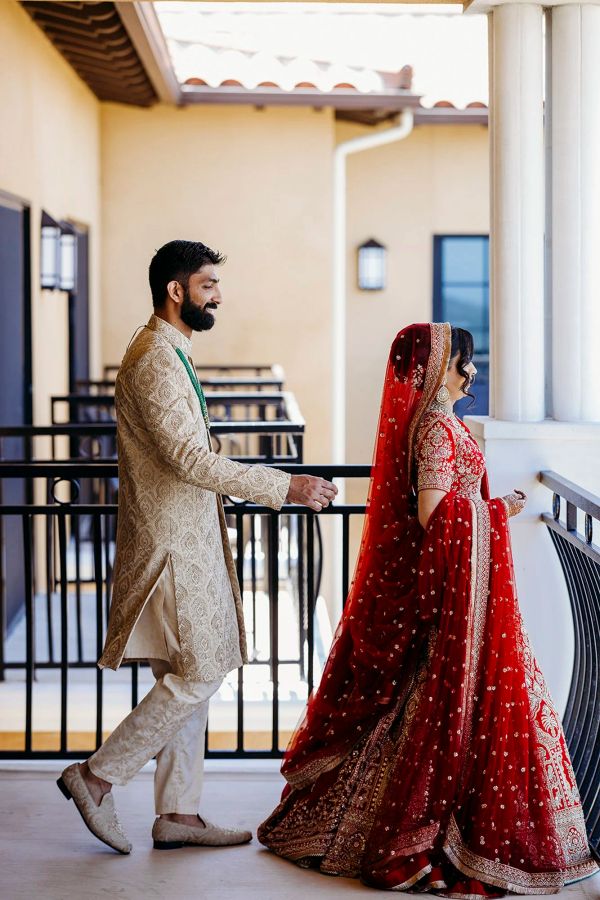
If you want a long program, consider doing a first look earlier in the day so you’re not compressing portraits into cocktail hour.
Invitations and guest experience (Bay Area edition)
Make your program bilingual-friendly
Even if your whole family speaks English, older relatives may connect more with Tagalog. A simple upgrade is to include short Tagalog translations for key moments:
- Veil and cord explanation
- Money dance instructions
- A thank-you note to sponsors
Be explicit about what guests should wear
Bay Area weddings can range from winery formal to coastal breezy. If you’re asking for barong tagalog, Filipiniana, or specific colors, say so clearly and early.
Plan for the after-party (or the after-after)
Many Filipino weddings keep going after the formal reception ends. If your venue has a hard stop, consider:
- A hotel bar meet-up for the core group
- A reserved lounge or private room
- A late-night snack run near the hotel block
Vendor team tips for Filipino weddings
Coordinator is non-negotiable
Even if you’re doing most planning yourself, a strong day-of coordinator (or month-of) is essential for:
- Organizing family photos efficiently
- Managing sponsor processions and unity rituals
- Running a money dance without chaos
MC/DJ who can handle a real program
Filipino receptions often have more scripted moments. Your DJ/MC should be comfortable with:
- Clear announcements
- Cueing sponsor entrances
- Coordinating the money dance and transitions without killing the vibe
Photographer who understands family dynamics
Ask your photographer how they handle:
- Large family groupings
- A detailed shot list for sponsors and extended relatives
- Church ceremony rules and low-light shooting
A simple planning checklist
Here’s a practical order of operations for Bay Area couples:
- Choose ceremony type and guest target
- Book church (if applicable) and lock the date
- Book venue that matches your guest size and logistics
- Hire coordinator + photo/video
- Confirm catering plan (Filipino, hybrid, or late-night add-ons)
- Build a realistic timeline with buffers
- Assign sponsors for veil, cord, candle, and coins
- Write short explanations for the program so every guest can follow along
With the right structure, you can keep the traditions that matter, make the day feel welcoming to every guest, and still have a celebration that feels current.