Choosing a Bay Area wedding venue by guest count: the practical way to avoid the ‘too tight’ (or too empty) feeling
Your guest count isn’t just a number for catering. In the Bay Area, it’s the fastest way to narrow the venue list, predict your budget range, and avoid awkward layout compromises (like a dance floor the size of a postage stamp or a ceremony where half your guests can’t see).
This guide walks you through how to match your estimated guest count to the right kind of Bay Area venue, plus a short, researched list of local options at different size ranges.
First: pick the number you’re actually planning for
Most couples start with a “dream list” and then cut down. That’s normal — but venues need a working number early.
Here’s a simple approach that keeps you realistic without locking you in too soon:
- Create three counts: A-list (must-invite), B-list (would love), and “if we had a bigger venue.”
- Choose a planning number that’s your A-list plus a buffer (often 5–10%) for last-minute plus-ones or family additions.
- Ask venues for capacities by layout, not just one max number. Ceremony seating, cocktail standing, and dinner seating can be very different.
In Bay Area venues especially, the posted “capacity” often assumes a specific layout. A room that can hold 200 standing may feel tight for a seated dinner with a band, lounge area, and a full dance floor.
The guest-count traps Bay Area couples run into
Before we talk venue types, a few common capacity pitfalls:
- The dance floor tax: If you want a bigger dance floor, you are trading away dinner tables.
- Family-style vs. plated: Family-style service usually needs more tabletop real estate.
- Indoor-outdoor flow: Venues with gorgeous outdoor ceremony space may have a smaller indoor plan B.
- Parking and shuttle math: Some venues can fit your people but not your cars.
What different guest-count ranges look like (and what to look for)
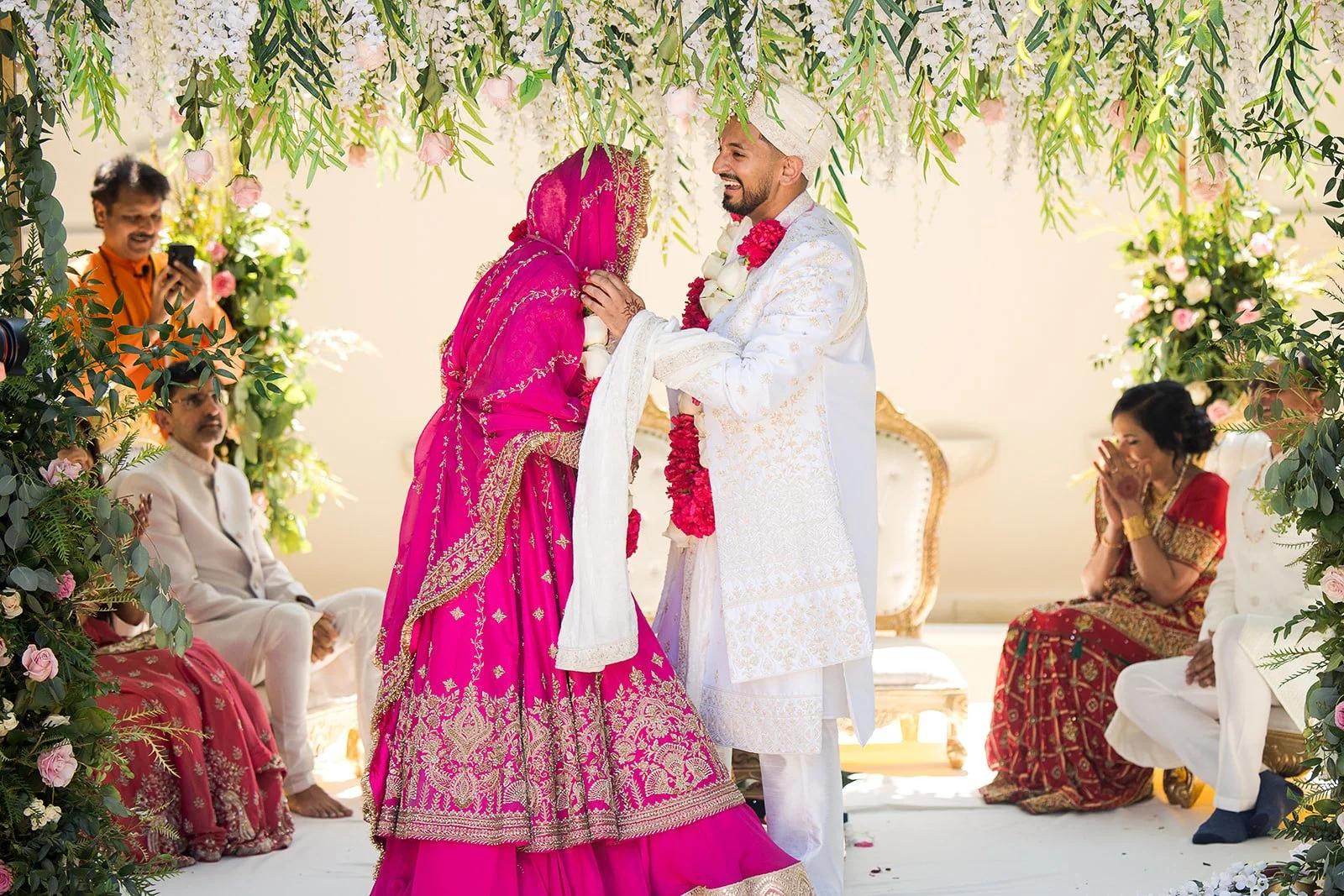
0–30 guests: “micro wedding” venues that don’t feel like an elopement
At this size, you’re buying experience and privacy, not square footage.
What to prioritize:
- A ceremony spot with a strong backdrop (garden terrace, architectural staircase, view)
- A reception space that doesn’t require a “room flip”
- A venue team that’s used to small events (so you don’t pay for a 200-person staffing model)
Best-fit venue types: private dining rooms, small galleries, inns, boutique gardens.
30–80 guests: the sweet spot for many Bay Area properties
This range tends to be the most flexible. You can fit into smaller venues without feeling cramped — and you can also book larger venues if you’re okay with a more “spacious” feel.
What to prioritize:
- True seated dinner capacity for your preferred table style (rounds vs. long tables)
- A plan for where cocktail hour lives (especially if the ceremony and reception share a space)
Best-fit venue types: small wineries, garden venues, boutique hotels, restaurants with buyouts.
80–150 guests: where “functional” starts to matter as much as “pretty”
Once you pass about 100 guests, the venue’s logistics start to drive the experience.
What to prioritize:
- A dedicated dance floor area (not a temporary space cleared after dinner)
- Catering access (kitchen, prep space, load-in)
- Restroom count and flow (you’ll feel it in the timeline if it’s undersized)
Best-fit venue types: ballrooms with character, larger estates, all-inclusive venues, historic halls.
150–250+ guests: big weddings need big infrastructure
Large weddings can be stunning — but only if the venue is built for it.
What to prioritize:
- Multiple points of entry and bar service
- Strong sound rules and timeline constraints (noise curfews are real)
- Shuttle loading zones and guest arrival flow
Best-fit venue types: large ballrooms, civic buildings, large garden estates, resorts.
A Bay Area short list by guest count (real venues to start with)
Every venue’s policies and capacities change — confirm current terms, layouts, and guest-count limits directly with the venue’s events team.
Up to ~100 guests
- San Francisco City Hall (One-hour wedding package) (San Francisco): The city’s one-hour package lists capacity up to 100 guests, with different seating/standing splits depending on the location you book. Great for a ceremony-focused day with a separate dinner venue after.
Up to ~200 guests
- San Francisco City Hall (Two-hour wedding package) (San Francisco): The two-hour package lists capacity up to 200 guests (with fees for additional guests). Works well if you want time for a fuller ceremony + photos + guest flow.
Up to ~500 guests
- Saratoga Springs (Saratoga): A popular redwood-and-garden setting; third-party venue listings commonly cite up to 500 guests.
- Julia Morgan Ballroom (Merchants Exchange Building) (San Francisco): Third-party venue listings commonly cite up to 500 guests in this iconic downtown ballroom.
If you’re in the 120–180 range, you can still consider many “up to 200” venues — but ask for the comfortable dinner capacity with your preferred layout and dance floor size.
The questions to ask venues (so capacity numbers don’t mislead you)
Bring these questions to tours and email follow-ups:
- What is the seated dinner capacity with a dance floor? (Ask for 12’x12’, 15’x15’, or 18’x18’ options if dancing matters to you.)
- What’s the max guest count for the ceremony seating layout you actually want?
- What’s the rain plan capacity? (Ask if the indoor backup reduces guest count.)
- What’s included in venue capacity? Does it assume a stage, buffet, bar, DJ table, lounge furniture?
- How does staffing scale with guest count? Some venues require staffing minimums that change at 100/150/200.
A quick Bay Area-specific rule of thumb
If you’re choosing between two venues and one feels “just barely fits” on paper, pick the one with breathing room — Bay Area weddings often include extra elements that quietly eat space: photo booths, lounge seating, late-night snacks, and bigger bands.
A simple way to pick the right venue size (without overthinking it)
If you want a practical decision tree:
- Lock your planning guest count (A-list + buffer).
- Shortlist venues that can seat that number for dinner with a dance floor.
- Tour with your layout in mind (rounds vs. long tables; band vs. DJ; lounge vs. no lounge).
- Choose the venue that makes your timeline easiest. The best guest experience is usually the venue with the smoothest flow.
If you want help narrowing options, it often helps to decide your “non-negotiables” first: outdoor ceremony, all-inclusive, redwoods, city, winery, or modern industrial.
Final reminder
Capacities, packages, and rules change frequently in the Bay Area — always confirm the latest details directly with each venue.