Wedding invitations are one of the few wedding “vendors” your guests interact with before they ever see your venue. In the Bay Area, where guests may be traveling in from multiple airports and where weddings range from City Hall micro-ceremonies to full weekend wine country takeovers, paper can do real work: it sets expectations, answers logistical questions, and quietly signals the vibe.
This guide breaks down what to order, when to order it, what it tends to cost in 2026, and how to make decisions that feel intentional (not like you’re drowning in paper samples).
Start with the job your stationery needs to do
Before you pick fonts or wax seals, decide what you want your suite to accomplish. Common Bay Area realities:
- Guests are coming from out of town and need clear travel and lodging guidance.
- Parking and transportation are complicated (San Francisco, Berkeley hills, wine country shuttles).
- You’re hosting multiple events (welcome drinks, tea ceremony, after-party).
- You want to communicate dress code without sounding stiff.
If you’re in a high-logistics category, prioritize clarity and layout over fancy add-ons. A beautifully designed card that no one understands is still confusing.
The modern invitation suite: what’s essential vs optional
Most couples don’t need a ten-piece suite. Here’s a practical breakdown.
Essentials
1) Invitation (main card) This is the anchor: who, what, when, where. If you’re doing a reception at a different location, include it clearly.
2) RSVP method In 2026, online RSVPs are the norm. You can include:
- A simple details card with a short URL and QR code
- A traditional RSVP card (if you have a very formal crowd or older relatives)
3) Details card This is where Bay Area couples win. Put the tricky stuff here: parking instructions, shuttle timing, venue address formatting, hotel blocks, accessibility notes, and a link to your wedding website.
Optional (add only if they help)
- Reception card (only if ceremony + reception details need separation)
- Weekend/events card (if you have multiple events)
- Map card (useful for remote wine country venues with spotty service)
- Envelope liner (aesthetic add-on)
- Wax seal (aesthetic + can impact postage)
- Custom monogram or crest (brand continuity across signage)
If you’re budget-conscious, spend on design and paper quality for the main pieces, then keep the extras minimal.
Printing methods: how to choose without overthinking it
Different printing styles look and feel different in real life (and the price jumps fast).
Digital printing (most flexible)
Best for: clean designs, color photos/illustrations, shorter timelines, and larger guest lists.
Pros: most affordable, quick production, easiest reprints.
Letterpress (the “pressed into the paper” look)
Best for: classic typography, minimalist designs, tactile feel.
A San Francisco-based letterpress studio (Coffee n Cream Press) notes that fully custom invitation suites start at a $2,000 minimum, and that letterpress with additional ink colors increases cost (which is a good rule of thumb no matter who you work with).
Foil, embossing, and specialty finishes
Best for: a dramatic or formal look.
Watch-outs:
- Can require longer production
- Adds weight and complexity (postage surprises)
- Some finishes photograph differently than they look in person
Bay Area timing: a realistic stationery schedule
Bay Area weddings often involve travel, multi-day events, and vendor calendars that fill early. Here’s a timeline that tends to work.
8–10 months before: decide your direction
- Set your guest count range and mailing list strategy
- Choose whether you’re doing semi-custom or fully custom
- Decide your RSVP approach (online-only vs mixed)
6–8 months before: save-the-dates (if you’re using them)
If you have lots of travelers, holiday-weekend dates, or destination-style wine country plans, save-the-dates can be helpful.
4–6 months before: invitation design + proofing
This is where you’ll spend the most time—wording, layout, and making sure the logistics are accurate.
8–10 weeks before: mail invitations
Earlier if:
- Your venue is remote
- You’re doing a full weekend itinerary
- You have international guests
2–4 weeks before: day-of stationery
Menus, place cards, escort cards, programs, signage. These depend on final guest count, so don’t start too early.
Cost reality check (2026): where the money actually goes

Stationery budgets vary wildly. The biggest cost drivers are:
- Guest count
- Printing method
- Number of pieces
- Assembly complexity (liners, belly bands, wax seals)
- Calligraphy or address printing
Custom invitations: a local benchmark
Coffee n Cream Press (San Francisco) lists fully custom invitation suites starting at a $2,000 minimum. That’s not a “typical total,” but it’s a helpful baseline for what full custom letterpress work can start at in this market.
Calligraphy/envelope addressing: per-envelope pricing adds up
Professional addressing is one of the fastest ways to make your invitations feel elevated.
For example, Calligraphy by Jennifer publishes envelope addressing pricing with outer envelope addressing listed from $2.25 to $3.75 per envelope depending on the style level. They also list “stuffing, stamping, sealing” at $1.50 extra per invitation—an easy add-on to overlook when you’re calculating totals.
If you’re mailing ~100 households, even “a few dollars per envelope” is a meaningful line item.
Postage: the sneaky expense
Liners, thick paper, and wax seals can push you into higher postage tiers. Before you assemble 120 invitations, take one fully assembled sample to the post office and confirm the real postage cost.
Bay Area-specific logistics to build into your stationery
This is the section couples wish they had earlier.
Transportation and parking
- If you’re providing shuttles, list exact pickup times and whether guests must RSVP for a seat.
- For San Francisco venues, say what to do if street parking is limited (rideshare drop-off point, nearby garages).
- For wine country, clarify if guests can leave cars overnight or if rideshare is unreliable late at night.
Microclimates and attire
It can be 58°F and windy in San Francisco and 88°F in Napa on the same weekend.
Instead of vague “cocktail attire,” add one helpful line:
- “Bring a warm layer for outdoor photos.”
- “Block heels recommended for garden paths.”
Multiple events and cultural ceremonies
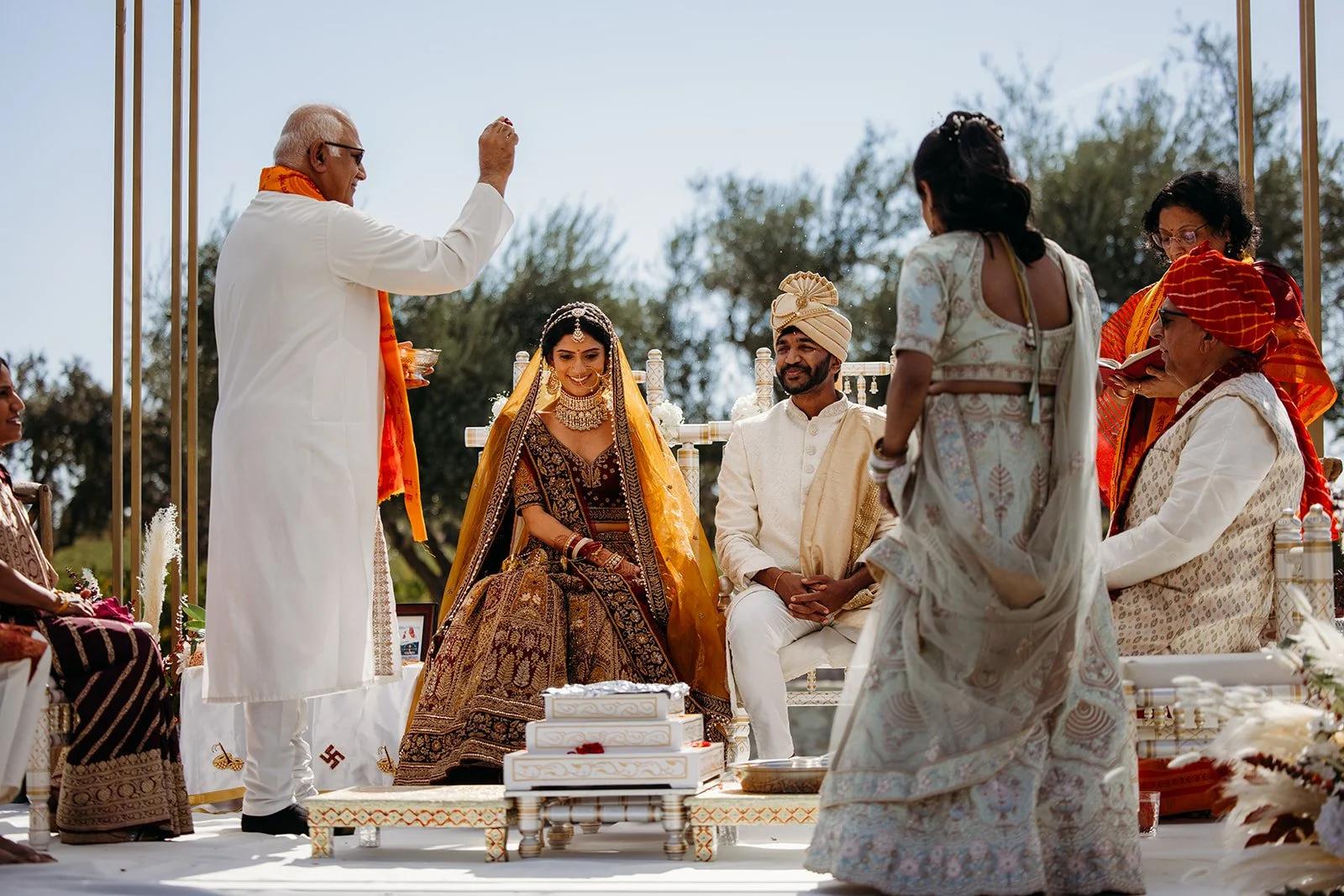
If you’re hosting a tea ceremony, sangeet, rehearsal dinner, or farewell brunch, keep each event’s details separate and clear. Guests should never have to guess which invitation applies to them.
The day-of paper list (what couples actually use)
Not everything needs to be printed. Here’s what tends to matter.
High-impact day-of items
- Welcome sign
- Seating chart or escort cards
- Bar menu/signage (especially if you have signature cocktails)
- Place cards (if you have assigned seats)
Nice-to-have items
- Ceremony programs (only if there’s context guests need)
- Menus (helpful if the meal has family-style courses or dietary notes)
- Table numbers (often handled by rentals or florist, but coordinate style)
If you’re trying to cut costs, prioritize anything that affects guest flow: seating and signage.
Simple ways to make stationery feel cohesive
You don’t need to spend luxury money to look intentional.
- Repeat one motif across everything (a monogram, a line illustration, a color).
- Keep typefaces consistent.
- Use the same paper tone across pieces.
- Match your digital touchpoints (wedding website, RSVP page) to your paper suite.
Common mistakes (and how to avoid them)
Ordering too early before details are final
If your ceremony time or shuttle plan might change, don’t lock it into print too soon. Put flexible info on your wedding website and print only what’s stable.
Overcomplicating the suite
If guests need a flowchart, you’ve added too many cards. Combine details into one clean insert.
Ignoring the assembly workload
Wax seals, liners, and ribbons look gorgeous—and can take hours. Decide if you’re realistically doing it yourself or paying for assembly.
Final recommendation: optimize for clarity, then beauty
In the Bay Area, stationery works hardest when it prevents confusion: where to go, what to wear, and how to get home. Start with that. Once the structure is solid, then add the design details that make it feel like you.
If you’re stuck, the simplest “best” suite is often: a beautifully designed invitation, one details card with a QR code, and clean addressing. Everything else is optional.